
Abstract
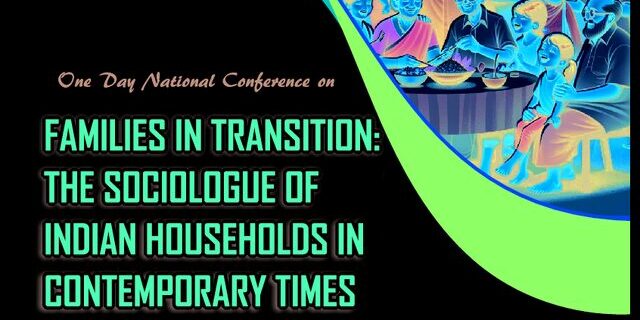
India is witnessing significant shifts in family structures due to urbanization, migration, economic transformation, and cultural changes. Traditional joint families are giving way to nuclear and fragmented households, resulting in heightened social risks such as income insecurity, health vulnerabilities, accidental disability, and inadequate old-age support. The Pradhan Mantri Jan Suraksha Schemes (PMJS) including the Pradhan Mantri Suraksha Bima Yojana (PMSBY), Pradhan Mantri Jeevan Jyoti Bima Yojana (PMJJBY), and Atal Pension Yojana (APY)—are designed to mitigate these risks by providing affordable insurance and pension coverage, especially for economically vulnerable populations. This seminar paper examines rural–urban family transitions, the social risks associated with these changes, and the role of Jan Suraksha Schemes in promoting social protection. It also emphasizes the importance of awareness, financial literacy, and education in ensuring effective utilization of these schemes.
Files
- PDFDr.S.Kaleeswari-Family-Transitions-and-Social-Risks-in-India-The-Role-of-Pradhan-Mantri-Jan-Suraksha-Schemes.pdf4.1 MBOpen accessViewDownload
Details
- Date
- 2026
- Language
- English
- Related link (publisher page, OPAC…)
- ngmclibrary.in/item/family-transitions-and-social-risks-in-india-the-role-of-pradhan-mantri-jan-suraksha-schemes/
- Collection
- Conference Papers
Cite this item
Kaleeswari, S. (2026). Family Transitions and Social Risks in India The Role of Pradhan Mantri Jan Suraksha Schemes. https://ngmclibrary.in/handle/ngmcl/2026/00218
Kaleeswari, S. “Family Transitions and Social Risks in India The Role of Pradhan Mantri Jan Suraksha Schemes.” , 2026. https://ngmclibrary.in/handle/ngmcl/2026/00218.
Kaleeswari, S. “Family Transitions and Social Risks in India The Role of Pradhan Mantri Jan Suraksha Schemes.” In . 2026. https://ngmclibrary.in/handle/ngmcl/2026/00218.